
I don't get it!

Source: iStockPhoto
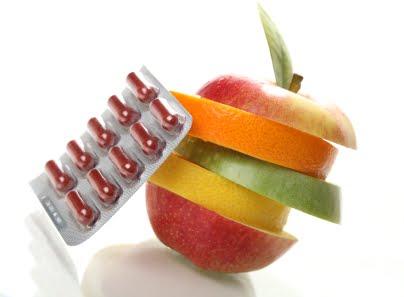
I've said it before, and I'll say it again, I do not understand the obsession with antioxidant supplements. I'm not talking about multivitamins that contain antioxidants, I'm talking single-antioxidant supplements (specifically high-doses) like beta-carotene, vitamin E, resveratrol, etc. There are certain ones I am ok with, such as a lower dose (around 500-1000 mg) of vitamin C to "enhance immunity" (although the research really isn't there) but overall I don't think it's safe to take a single-dose antioxidant pill, because our bodies weren't made to consume antioxidants in that way. The best way to get antioxidants, in my opinion, is to eat FOOD! The following foods are loaded with different types of antioxidants;
Broccoli
Spinach
Spinach
Pumpkin
Sweet Potatoes
Berries
Flaxseed
Grapes
Wine
Source: iStockPhoto
In other words, antioxidants work in synergy with other nutrients/antioxidants, and our bodies weren't designed to get large doses of antioxidants by themselves. In fact, our bodies have a very unique antioxidant system of it's own, and when it needs to make antioxidants, it does, and there are even certain times when we need things like free radicals (the very things that antioxidants prevent and/or destroy) to sent messages to our body and alert them of damage.
WIKIPEDIA:
Consequently, organisms contain a complex network of antioxidant metabolites and enzymes that work together to prevent oxidative damage to cellular components such as DNA, proteins and lipids.[1][14] In general, antioxidant systems either prevent these reactive species from being formed, or remove them before they can damage vital components of the cell.[1][13] However, since reactive oxygen species do have useful functions in cells, such as redox signaling, the function of antioxidant systems is not to remove oxidants entirely, but instead to keep them at an optimum level.[15]
If we consume too many antioxidants (in pill form) and destroy those free radicals, who will send the message that damage has occurred? The perfect example of this problem was found in the beta-carotene study tested beta-carotene supplements to see if they effectively prevented cancer in smokers In short, the beta-carotene supplements increased the rate of lung cancer in smokers. Also this study showed that high-doses of vitamin E increased risk of dying. No thanks.
This brings me to the reason why I simply do not understand resveratrol supplements. The idea to test resveratrol came from witnessing that the French have a lower rate of coronary heart disease than Americans, despite a high intake of saturated fat. Today's Dietitian wrote a fabulous article on Resveratrol in their latest issue. It was noted that the French drink considerably more red wine than Americans, so fast forward many years of research, and resveratrol is in the spotlight. Resveratrol is a phytonutrient (plant nutrient) with antioxidant properties, and it's found mainly in red grapes, red wine, certain berries, and peanuts (read the article in Today's Dietitian to find our more about resveratrol's mechanism of action). Studies on resveratrol have been shown to help protect against everything from heart disease, to cancer, to Alzheimer's disease. Oh yeah, and it may also make fat men fitter.
 Source: iStockPhoto
That's all well and good, but here are the problems I see......
1. Drugs need years and years of research before they go on the market, and even then we often find that long-term effects are not what we thought. Supplements require zero research before going on the market. Case in point; more research (and not just on animals) is needed before I would ever suggest a resveratrol supplement! And I'm not talking about research from this man who clearly faked much of his research on resveratrol (who knew research could be faked?! haha, I did! Well, maybe not faked, but manipulated). I'd rather not risk my life on hope, personally.

Source: iStockPhoto
2. Here is the part I really don't understand. The French Paradox. Why are researchers studying the effect of high doses of resveratrol, when one 5-ounce glass of red wine contains as little as .06 and as much as 1.89 mg resveratrol?! NO ONE IN FRANCE/SPAIN/ITALY IS DRINKING ENOUGH WINE TO GET EVEN CLOSE TO THE AMOUNT USED IN RESEARCH AND FOUND IN SUPPLEMENTS!! So why are we testing such large doses ?? If red wine is truly benefiting the health of the French and others in that area, than why not make pills with the amount of resveratrol that equals the average daily consumption of the French?! Why must more always be assumed to be better?!
 Source: iStockPhoto
How about that for good science?
QUESTION: I'm curious, what are your thoughts on antioxidant supplements? Would you ever take a 20mg resveratrol pill? Would you take a 100-200 mg one?


